If you're diving into the world of luxury fragrances, there’s no better way to enhance your journey than picking up some insightful reads. Here are a few must-read fragrance books that every perfume lover should have on their bookshelf.
1. "Perfume: The Story of a Murderer" by Patrick Süskind
This novel isn’t just a captivating story; it digs deep into the art of scent. It follows a young man with a remarkable sense of smell who creates a unique obsession with capturing the perfect fragrance. It's a mix of history, obsession, and perfume that will have you hooked from page one.
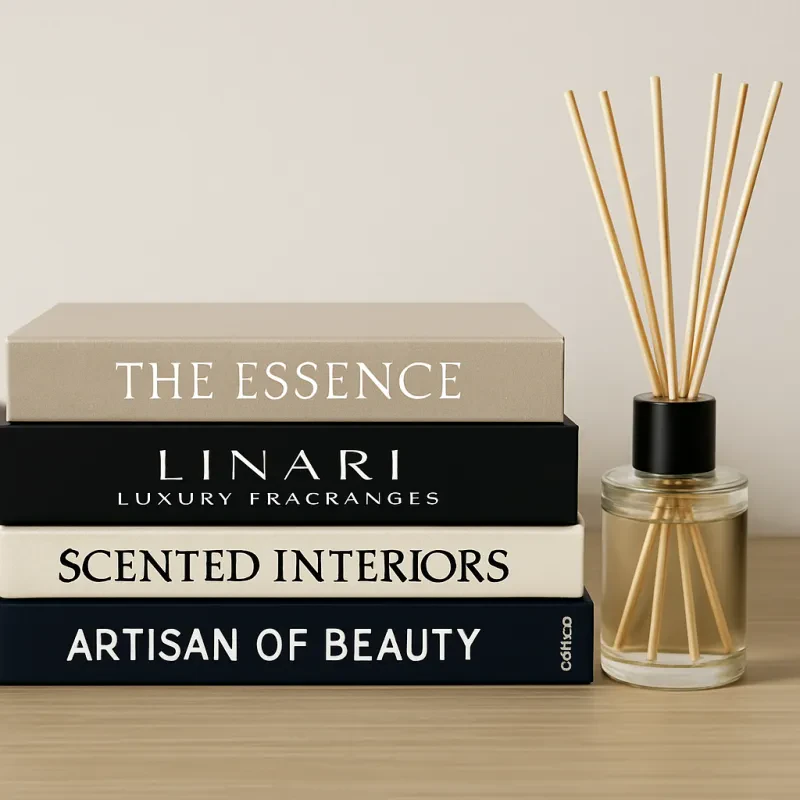
2. "The Essence of Perfume" by Roja Dove
Roja Dove is a leading figure in the fragrance world, and this book is like having a personal guide into the luxurious universe of perfumes. He covers everything from the history of scents to how to choose the right one for yourself. It's packed with gorgeous images and stories that make it a visual treat.
3. "The Perfume Bible" by Josephine Fairley and Susannah Constanty
This book is a great reference for anyone interested in fragrance. It walks you through different types of perfumes, notes, and even how to layer them. It's loaded with tips and insights that can help you discover scents that might just become your new favorite.
Whether you're a newbie or a fragrance connoisseur, these books will deepen your appreciation and understanding of the art of perfume. They’re not just reads; they’re experiences that enrich your passion for fragrance!
Understanding Fragrance Notes
Getting into luxury fragrances means diving into something called fragrance notes. Think of them as the building blocks of any scent. When you sniff a perfume, you’re actually picking up layers of different aromas that work together to create that unique experience.
Fragrance notes are typically broken down into three main categories: top, middle, and base notes. Top notes are the first whiffs you catch when you spray a fragrance. They’re often bright and fresh, making a quick impression. Citrus, fruits, and light florals usually fall into this category.
Once those top notes fade, the middle notes (or heart notes) take over. These scents are more rounded and smooth, giving the fragrance depth. You might encounter notes like jasmine, rose, or spices here. This is where the magic really happens, as these scents mingle and develop.
Finally, we have the base notes, which are the last to appear and linger the longest. They provide the foundation of the fragrance and can include warm, rich scents like vanilla, sandalwood, or musk. Base notes are what you remember after the top and middle notes have faded away, sticking around for hours.
Understanding these layers can really enhance your fragrance experience. It helps you appreciate why some scents evolve over time and why others might not be for you. Pay attention to these notes as you explore different fragrances, and you’ll become a fragrance pro in no time!
History of Luxury Scents
Luxury scents have a rich history that goes back thousands of years. Ancient Egyptians were some of the first to use perfumes in their rituals and daily lives. They made fragrant oils from natural materials like flowers, herbs, and spices. They believed these scents could connect them to their gods and enhance their spiritual experiences. Imagine walking through ancient markets filled with these exotic aromas!
Fast forward to the Greeks and Romans, who took the art of fragrance to a whole new level. They popularized the use of perfumes in both public and private life. Wealthy Romans would lavish themselves in oils and essence, turning scents into a status symbol. They even created the first scented baths, blending beauty and luxury in a way that we still appreciate today.
During the Middle Ages, the art of perfumery took a hit but came back strong during the Renaissance. With the rise of trade routes, scents from faraway places became accessible. Grains of paradise, amber, and frankincense flowed in, sparking new creativity among perfumers. They started experimenting with these exotic ingredients, creating unique blends that became all the rage among Europe’s elite.
In the 19th century, we saw the birth of modern perfumery. With advancements in chemistry, new synthetic ingredients entered the mix, making fragrances more diverse and affordable. Suddenly, a wider range of people could enjoy luxury scents, and the market exploded. Today’s luxury fragrances celebrate both that rich history and modern innovation, allowing us to indulge in scents that tell a story, evoke memories, or simply make us feel fabulous.
Guides for Fragrance Collectors
If you're diving into the world of luxury fragrances, having the right resources can make a huge difference. A few good books can guide you through scent profiles and help you discover your personal favorites. Here are some must-haves for anyone looking to expand their fragrance collection.
First up, go for books that explore the history of perfumes. They’ll give you insights into how fragrances have evolved over the years and the key players in the industry. Understanding the roots of your favorite scents can really deepen your appreciation for them. Look for titles that include interviews with perfumers and stories behind iconic fragrances.
Next, consider books that focus on scent families—like florals, spices, and gourmands. These guides usually break down the different notes and how they blend together. Knowing what you enjoy will help you choose perfumes that align with your tastes. Many of these books also provide recommendations, so you can find new favorites easily.
Don't skip the guides that help you develop your nose. Some books include exercises that train your senses and improve your ability to identify notes in different blends. It's easy to underestimate this skill, but it makes a big difference when you're picking out a new fragrance or trying to describe what you love about a particular scent.
Lastly, pick up some style guides that offer tips on how to wear and layer fragrances. Layering can create a personalized scent that's truly unique, and finding a guide that teaches you this art can be quite rewarding. You'll learn how to make your fragrance last longer, as well as how to match scents to different occasions. Happy reading!